Trusted Home Builder: Crafting Your Perfect Residence With Quality and Attention
Selecting a trusted home builder is a pivotal step in realizing one’s dream home. Their skill shapes the project, ensuring quality construction and observance of local codes. A reliable builder promotes a collaborative environment, boosting communication and insight into client needs. This approach minimizes stress and enhances the building experience. Yet, many neglect key factors when deciding. What critical qualities should one look for, and how can they establish a successful partnership?
Why Selecting the Correct Home Builder Is Critical
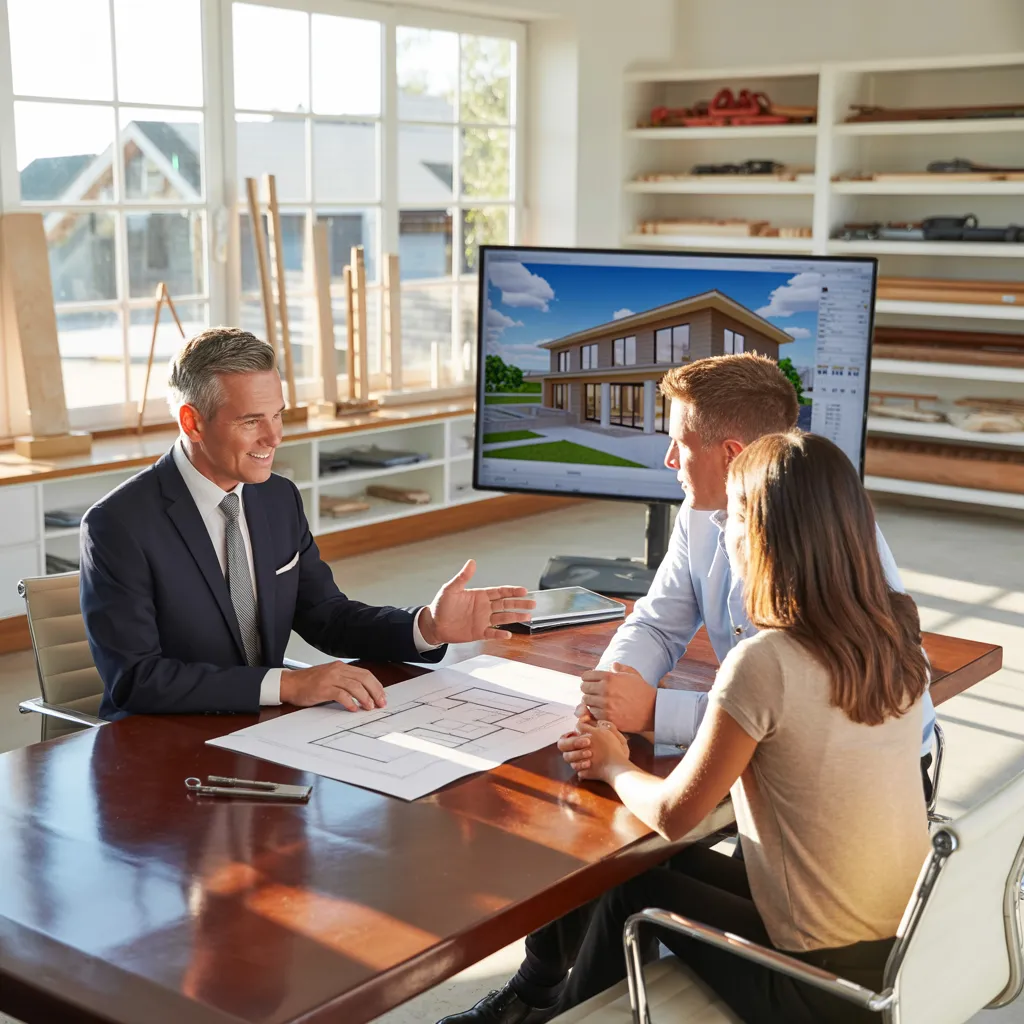
Choosing an perfect home builder can greatly impact the overall achievement of a dream property project. A builder's expertise significantly determines the excellence, aesthetics, and usability of the final result. Selecting a skilled builder assures compliance to local regulations, smart use of assets, and punctual project conclusion. In addition, a established builder can navigate potential obstacles, limiting stress for property owners.
The builder's experience in the specific design or kind of house desired can improve the project's visual beauty and structural integrity. Additionally, excellent dialogue between the builder and the homeowner fosters teamwork, guaranteeing that the homeowner's goals is realized. An experienced builder often has a roster of reliable subcontractors and suppliers, which can also expedite the construction process.
Ultimately, the ideal home contractor not only brings proficiency but also a promise to buyer happiness, making the choosing process a crucial step in transforming a desired home into true.
Critical Qualities of a Trustworthy Housing Builder
When choosing a home builder, specific attributes are crucial to ensure a successful partnership. Established track record, transparent communication, and a commitment to quality craftsmanship stand out as key attributes of a trusted builder. These features not only foster confidence but also aid the realization of a homeowner's vision.
Proven Track Record Is Most Important
Proven track record stands as a foundation in the choice of a reputable home builder. This attribute not only reflects a builder's capacity to navigate the intricacies of construction but also indicates a record of successful projects. Seasoned builders have usually faced a broad range of challenges and have the troubleshooting skills required to address them successfully. Their knowledge with local regulations and construction standards guarantees compliance, reducing potential delays and legal issues. In addition, a experienced builder often has a web of reliable subcontractors and suppliers, which can result in superior products and workmanship. In the end, choosing a builder with demonstrated experience greatly enhances the likelihood of a seamless, productive, and successful home-building journey.
Open Communication Techniques
Effective dialogue serves as an essential basis in the relationship between homeowners and contractors. Reputable home builders prioritize transparent communication practices, ensuring that customers are properly updated throughout the building phase. This involves regular notifications on construction timelines, budget modifications, and any potential challenges that may arise. By preserving open lines of dialogue, contractors foster confidence and collaboration, allowing homeowners to express concerns and ask inquiries openly. Clear records, including contracts and progress reports, further enhances openness, ensuring that all parties have a shared understanding of requirements. Additionally, input mechanisms enable builders to handle homeowner requirements promptly, strengthening their commitment to client contentment. Ultimately, open communication serves as a crucial component in providing a effective construction experience.
Premium Craftsmanship Assurance
Building a dream home requires not only open communication but also a focus to quality craftsmanship. A trusted home builder values careful detail management, guaranteeing that every aspect of construction meets high standards. This includes using premium materials, engaging skilled labor, and adhering to best practices in design and engineering. Regular quality checks throughout the building process support these standards, identifying and addressing issues before they escalate. Moreover, a reputable builder fosters a culture of accountability, encouraging their team to take pride in their work. By establishing strong relationships with subcontractors and suppliers, they guarantee consistency and reliability. Ultimately, this dedication to quality craftsmanship not only improves the home’s aesthetic appeal but also guarantees its durability and longevity.
Examining a Dependable Home Builder's Background
What methods can one use to determine a home builder's trustworthiness and competence? Evaluating a builder's background is essential for ensuring a successful project. Future homeowners should begin by reviewing the builder's portfolio, which displays previous projects and reveals their quality and approach. In addition, considerable experience in the sector can demonstrate a builder's longevity and grasp of industry standards.
Testimonials and feedback from former clients offer understanding into the builder's reliability and support. It is also important to ask about any awards or recognitions, as these can showcase a commitment to top quality. Engaging in direct conversations with the builder can uncover their technique to handling problems and communication. Lastly, verifying licenses and insurance confirms that the builder adheres to local regulations and industry standards. Overall, detailed research and careful inquiries are important to evaluating a trusted home builder's experience effectively.
What to Understand About the Building Process?
When homeowners begin the journey of constructing their dream home, they can expect a sequence of stages that will develop throughout the construction timeline. First, site preparation occurs, involving land clearing and foundation work. After this, the foundation is laid, creating a strong foundation for the structure.
Once the base is complete, framing begins, defining the layout of the home. This is followed by important installations like plumbing and electrical insightful guide systems, guaranteeing functionality. Next, insulation and drywall are installed, forming the internal framework of the home.
After that, homeowners can anticipate the installation of windows, doors, and roofing, resulting in a more defined exterior. The finishing touches, including flooring, cabinetry, and painting, mark the final stage. During this time, assessments may occur to confirm adherence with building codes and standards, eventually guiding homeowners nearer to realizing their dream home effectively and efficiently.
The Relevance of Open Communication With Your Builder
Effective dialogue with the builder plays an essential role in the home construction journey. Clear conversation guarantees that both parties understand expectations, timelines, and project details. Regular communications from the builder maintain homeowners updated about progress, potential delays, and any necessary adjustments. This transparency fosters confidence, allowing homeowners to voice issues or questions promptly.
Listening remains equally important; developers who meaningfully collaborate with clients can more readily perceive their dreams and choices. Clear interaction also facilitates problem-solving, as difficulties can be addressed swiftly before escalating into larger complications.
Furthermore, keeping track of conversations and decisions supports in maintaining a clear account that can be referenced throughout the construction process. Ultimately, effective communication establishes a collaborative environment, enabling both construction professionals and property owners to partner harmoniously toward the common objective of constructing a dream home. Focusing on this component of the relationship is vital for a successful construction experience.
Joining Forces for Achievement With Your Construction Professional
Effective cooperation with a home builder relies on sustaining transparent communication and synchronizing objectives. Open conversation cultivates trust and assures that both parties are on the same page throughout the building process. This mutual alignment is important for turning visions into fact.
Enable Communication Channels
Setting up accessible dialogue systems is important for a thriving collaboration between homeowners and builders. This openness creates trust, enabling both sides to communicate thoughts, worries, and responses productively. Frequent conversations and check-ins help to make sure that the project stays on schedule and that any emerging challenges are handled without delay. Homeowners ought to feel free to express their preferences, whereas builders can share knowledge about practical considerations and deadlines. Leveraging multiple communication platforms, including emails, phone calls, or project management software, can boost coordination and ensure all parties stay updated. In the end, an focus on honest dialogue not only improves the building experience but also reinforces relationships between homeowners and builders, creating opportunities for a more rewarding and triumphant home-building venture.
Collective Purpose Coordination
A resilient partnership between homeowners and builders stems from a joint vision that aligns the goals and expectations of both parties. Such agreement fosters a collaborative environment where ideas are openly shared, guaranteeing that the final product genuinely reflects the homeowner's aspirations. Builders who value understanding client aspirations are better able to deliver bespoke solutions that enhance satisfaction while limiting misunderstandings. Regular check-ins and feedback opportunities help to further cement this alignment, allowing adjustments as the project progresses. When both parties commit to a unified vision, the outcome transcends being just a house — it becomes a dream home built with dedication and fine craftsmanship. This synergy ultimately results in smooth project completion and lasting relationships.
Frequently Asked Questions
What Lending Alternatives Are Accessible for Creating a New Home?
Various funding solutions for building a new home include construction loans, traditional mortgages, FHA loans, and VA loans. Each option presents distinct benefits, catering to different monetary circumstances and project requirements for prospective homeowners.
How much time Does a Entire Home Construction Process Generally Take?
A home's building procedure generally requires six to twelve months in total, based on factors such as architectural intricacy, weather conditions, and local regulations. Setbacks may occur from supply chain issues or permitting challenges during construction.
Can I Make Modifications During the Building Phase?
Yes, changes can be made during the building timeframe, but they may affect schedules and financial outlay. Homeowners should relay any alterations in a timely manner to confirm smooth accommodations while minimizing disruptions to the continuing construction.
What Protection Plans Are Usually Given by Home Builders?
Home builders customarily present warranties dealing with structural integrity, workmanship, and major systems like plumbing and electrical. Duration and specifics vary, but most supply a minimum one-year warranty on materials and an extended term for structural components.
What's the Best Way to Decide On a Suitable Neighborhood for My New Home?
Deciding on the appropriate place for a new home requires factoring in factors like proximity to work, schools, amenities, safety, and future development. Researching neighborhoods and examining personal lifestyle needs are critical steps in the decision-making process.